
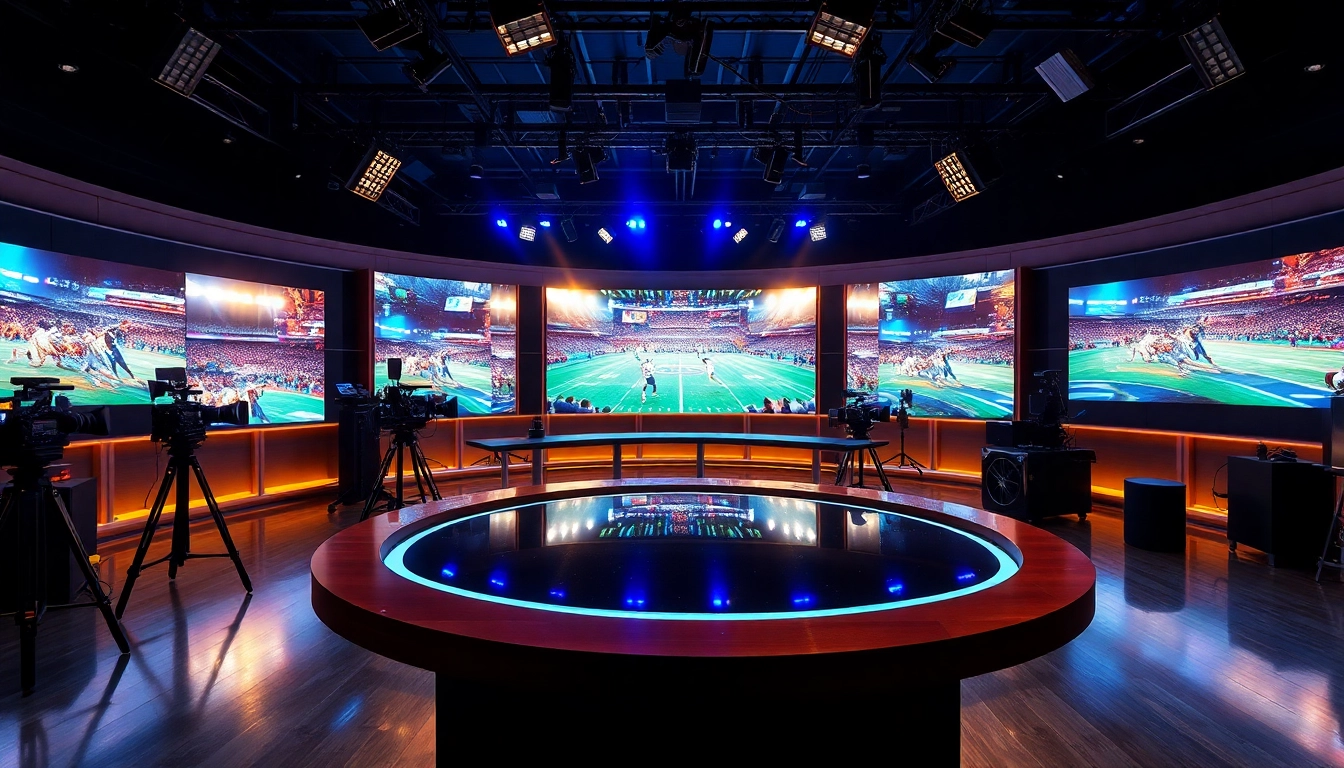
Understanding Sports Broadcasting
Definition and Scope of Sports Broadcasting
Sports Broadcasting is the dissemination of sports-related content to a wide-ranging audience through various platforms. This encompasses live coverage of sports events, commentary, analysis, highlights, and interviews with athletes or coaches. The scope of sports broadcasting has evolved significantly, allowing fans to engage with their favorite sports from any part of the globe. The integration of digital platforms and streaming services has opened new avenues for Sports Broadcasting, creating a more interactive viewer experience.
History and Evolution of Sports Broadcasting
The journey of sports broadcasting began in the early 20th century with radio broadcasts of significant events, gradually transitioning to television, which revolutionized the way fans experienced sports. With the advent of color television and satellite broadcasting in the latter part of the century, sports coverage broadened its reach. The new millennium witnessed a digital revolution wherein streaming platforms and social media fundamentally altered traditional broadcasting methods. As technology advances and viewer habits change, sports broadcasting continues to adapt and evolve.
Key Players in Sports Broadcasting
The sports broadcasting landscape features various stakeholders, including networks, streaming platforms, independent producers, and sports leagues. Major television networks invest heavily in securing broadcasting rights for popular sports leagues, while streaming services cater to evolving viewer preferences. Furthermore, independent content creators have emerged as significant players by providing niche coverage and audience engagement through innovative formats like podcasts and live YouTube streams. Collaboration between these key players shapes the future trajectory of sports broadcasting.
Technologies in Sports Broadcasting
Emerging Technologies in Sports Broadcasting
Emerging technologies are redefining the landscape of sports broadcasting. Virtual reality (VR) and augmented reality (AR) are on the forefront, offering immersive experiences that allow fans to feel as if they are part of the action. Additionally, advanced graphics and analytics provide deeper insights into performance statistics. Innovations like 5G technology enable quicker and more reliable streaming, enhancing the viewer experience during live events. These technological advancements are helping broadcasters meet increased viewer expectations for high-quality and interactive content.
Impact of Social Media on Sports Broadcasting
Social media platforms have dramatically changed the way sports content is consumed and shared. Networks and leagues use platforms like Twitter, Instagram, and TikTok to reach fans instantly, providing real-time updates and engaging content designed for interactive audiences. These platforms facilitate greater fan engagement and serve as vital marketing tools for promoting events and generating hype. The integration of user-generated content from fans adds another layer of authenticity and collaboration, fostering a community-centered approach in sports broadcasting.
Innovations Shaping Sports Broadcasting
Innovations are constantly transforming sports broadcasting, with analytics-driven insights playing a pivotal role. Broadcasters can utilize data science to identify and address audience preferences, tailoring content accordingly. Live polling, virtual commentary, and interactive graphics are just some innovations that enhance viewer engagement. Moreover, advancements in artificial intelligence (AI) help in automating the production of highlights, enabling quicker turnaround times and personalized viewing options for fans.
Strategies for Effective Sports Broadcasting
Creating Engaging Content in Sports Broadcasting
Creating engaging content is crucial for capturing and retaining viewer attention. Broadcasters should focus on storytelling that highlights individual athletes' journeys, dramatic game moments, and surprising statistics. Utilizing multiple formats such as interviews, behind-the-scenes footage, and interactive features allows broadcasters to cater to diverse audience interests. Providing commentary that balances expert analysis with entertainment also helps engage viewers on multiple levels.
Understanding Audience Preferences in Sports Broadcasting
To remain relevant in the crowded sports broadcasting market, understanding audience preferences is critical. Conducting regular surveys and utilizing analytics tools to monitor viewer behavior will allow broadcasters to tailor their offerings effectively. Knowing what types of content resonate well with specific demographics helps in strategizing and prioritizing resource allocation. Engaging with audiences through social media channels also provides immediate insights into their preferences and helps foster community involvement.
Leveraging Data Analytics for Sports Broadcasting
Data analytics is a powerful tool for optimizing sports broadcasting strategies. Broadcasters can analyze viewer statistics, engagement metrics, and feedback to make informed decisions. By monitoring key performance indicators, broadcasters can identify trends, assess the success of various segments, and even forecast potential viewership. Moreover, integrating data-driven technologies helps improve live broadcasts and enhance overall viewer experience by anticipating audience needs in real time.
Challenges in Sports Broadcasting
Legal Regulations Affecting Sports Broadcasting
Legal regulations present significant challenges for sports broadcasters. Securing broadcasting rights can be a complex process involving multiple contracts and compliance with changing laws in different jurisdictions. Issues surrounding copyright infringement and licensing agreements must also be navigated carefully to avoid potential litigation. Staying informed about these regulations is crucial for broadcasters to operate successfully within their operational territories while maintaining ethical standards.
Overcoming Technological Barriers in Sports Broadcasting
As technology becomes more integral to sports broadcasting, overcoming related barriers is essential. Broadcasters face challenges like ensuring seamless integration across platforms and maintaining high-quality streaming experiences despite varying internet connectivity issues. Investing in high-performance infrastructure, adopting robust cybersecurity measures, and continuously updating technology stacks will help mitigate these barriers and enhance broadcast reliability.
Competing in a Crowded Sports Broadcasting Market
Competition in the sports broadcasting market is intense, primarily due to the proliferation of digital media. To stand out, broadcasters must differentiate themselves by delivering unique content that resonates with specific audiences. Using creative storytelling, leveraging niche markets, and establishing strategic partnerships with other content creators or platforms can help in building a loyal viewer base. Constant innovation in content delivery and engagement strategies is key to navigating this competitive landscape successfully.
Future of Sports Broadcasting
Trends Reshaping the Future of Sports Broadcasting
Several trends are emerging that could reshape the future of sports broadcasting. One trend is the move towards more personalized viewing experiences, leveraging AI and machine learning to tailor content recommendations to individual preferences. Another trend is the increasing significance of interactive content, where audiences can influence the broadcast through polls and Q&As. Live streaming is expected to become even more prominent, reducing traditional viewing barriers and importantly engaging younger audiences.
Predictions for the Next Decade in Sports Broadcasting
Looking ahead, the next decade in sports broadcasting is likely to be dominated by immersive experiences. Technologies like VR and AR will facilitate virtual attendance at events, enhancing fan engagement. Furthermore, 5G technology will enable smoother, high-quality live streaming, fostering a more interactive and communal viewing atmosphere. As esports gain more traction, traditional sports broadcasting may see a crossover in audience behavior and content consumption patterns.
How to Stay Relevant in Sports Broadcasting
To stay relevant in the evolving sports broadcasting landscape, broadcasters must embrace innovation and adaptability. Staying ahead of technological trends, understanding audience shifts, and maintaining a flexible content strategy will be essential. Engaging with fans on multiple platforms while fostering community involvement through interactive content will ensure that broadcasters capture and retain viewer interest. Continuous market research and experimentation with new formats will facilitate ongoing relevance in the rapidly changing environment of sports broadcasting.
Frequently Asked Questions
What is sports broadcasting?
Sports broadcasting involves the production and dissemination of sports content, including live events, analysis, and highlights, to an audience through various platforms.
How has technology impacted sports broadcasting?
Technology has transformed sports broadcasting through enhanced viewing experiences, better analytics, and digital engagement via social media and streaming platforms.
What are the key challenges in sports broadcasting?
Challenges include legal regulations, rapidly changing technology, competition, and understanding audience preferences, which require strategic planning to navigate.
What trends should I look for in future sports broadcasting?
Key trends include personalized content delivery, immersive experiences using VR and AR, and increased engagement through interactive features on digital platforms.
How can broadcasters stay relevant today?
By focusing on innovation, engaging audiences interactively, adapting to changing viewer preferences, and leveraging technology, broadcasters can maintain their relevance.